Demolition 99 percent complete as residents revisit a disappearing hillside community through photographs, food and childhood games
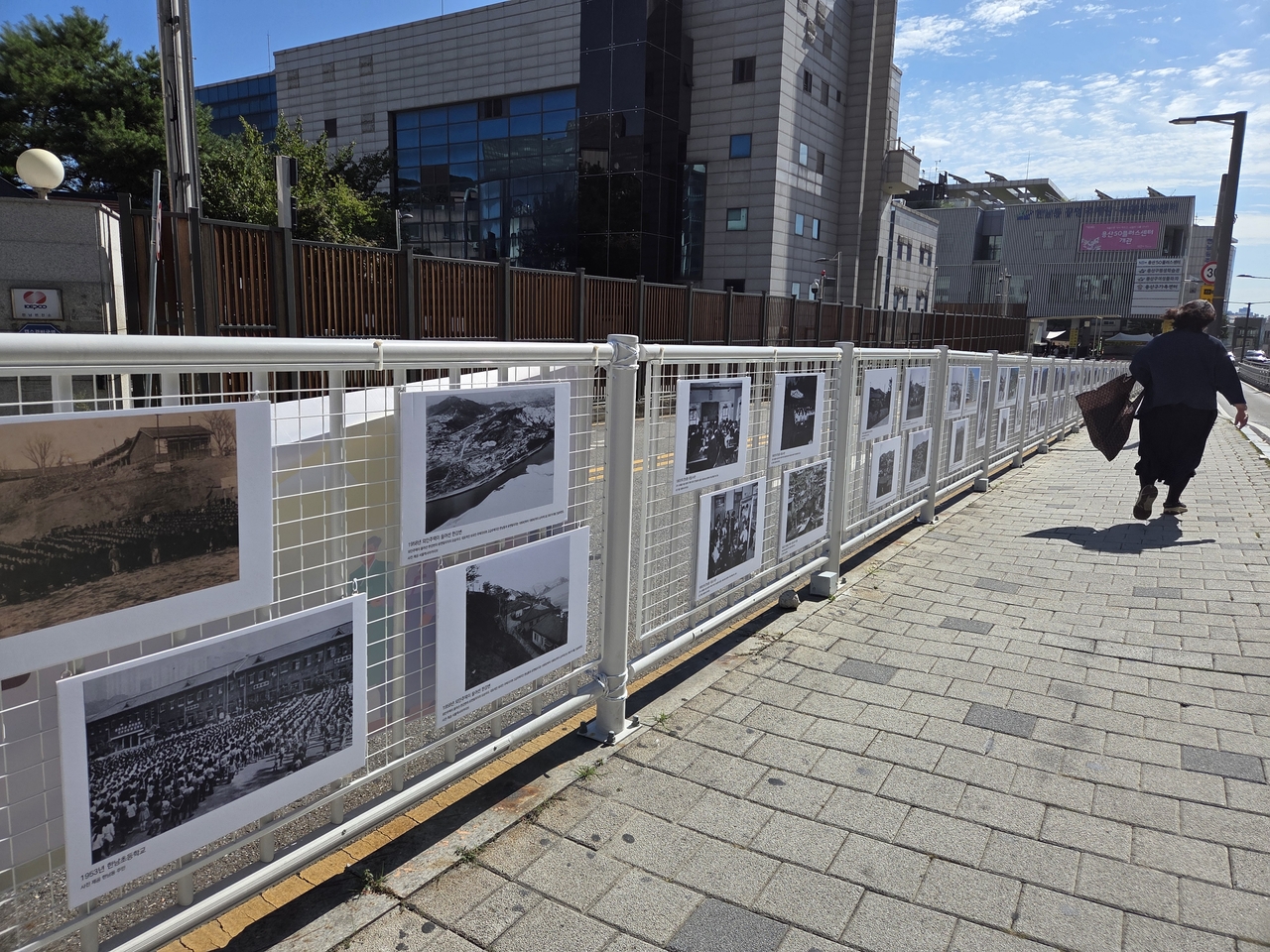
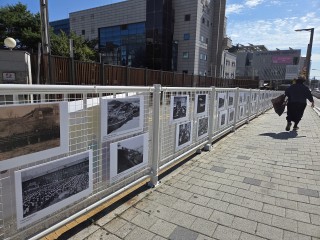
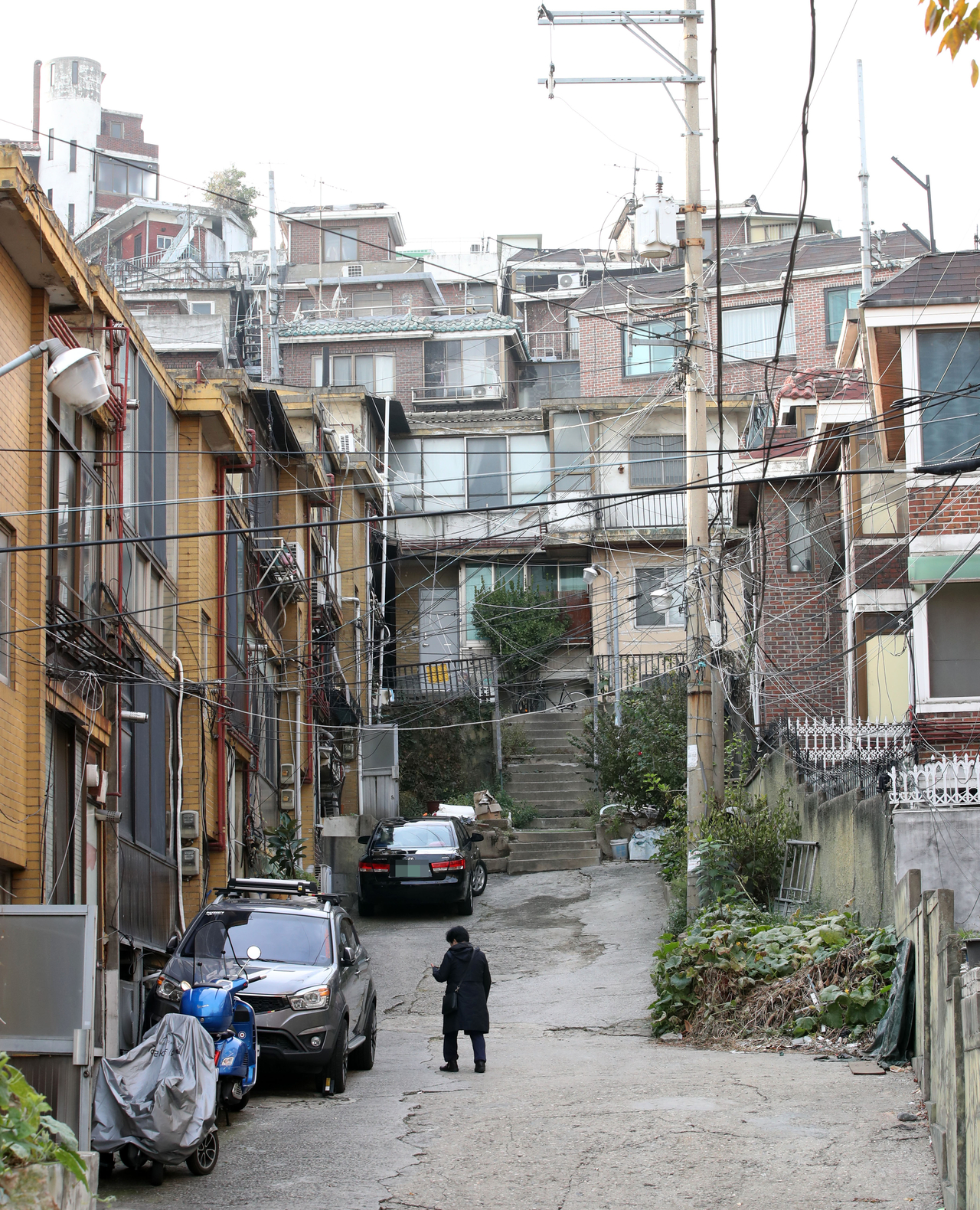
Hannam-dong is now synonymous with some of Seoul’s most expensive homes. But photographs displayed outside its community center reveal a neighborhood filled with hillside shacks, aging houses and longtime residents who are now saying their goodbyes.
Much of the neighborhood preserved in those photographs is now gone. Demolition in Hannam District 3 was 99 percent complete as of mid-September, and the Seoul Metropolitan Government aims to begin construction by the end of December.
Covering about 386,000 square meters across Hannam-dong and neighboring Bogwang-dong, the project will replace the old neighborhood with a residential complex of nearly 6,000 homes.
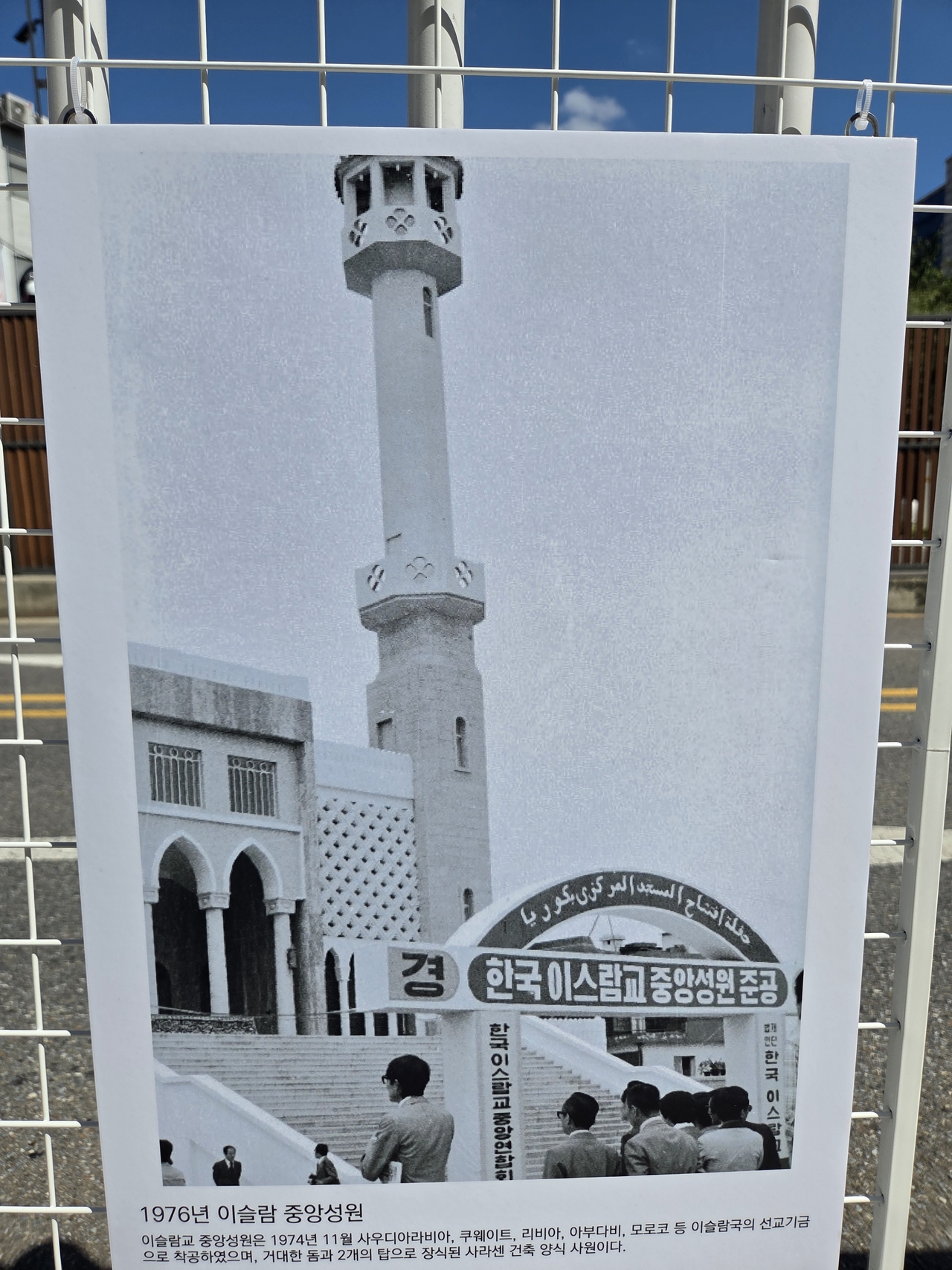
Around 50 photographs line the walkway leading to the Hannam-dong Community Service Center. They range from images of tightly packed homes climbing the hillside to a photograph of the Seoul Central Mosque upon its completion in 1976, beneath a banner reading “Celebrating the completion.”
Opened on May 21 that year, the Seoul Central Mosque was Korea’s first mosque. It has been excluded from the redevelopment project and is set to remain, even as most of the surrounding low-rise neighborhood is replaced.
“Redevelopment had been talked about for decades, but it kept being delayed. Now that the buildings are gone and the mosque can be seen from almost anywhere, it finally feels real,” said Kim Jung-ho, a Hannam-dong native and longtime resident.
Kim helped run the three-day event, titled “Bye Hannam, Hi Hannam,” which ended Friday. The program brought different generations together through the photo exhibition, nostalgic street food and traditional childhood games.
It offered longtime residents a chance to revisit the neighborhood they remembered, while allowing children and younger visitors to experience an earlier way of life.
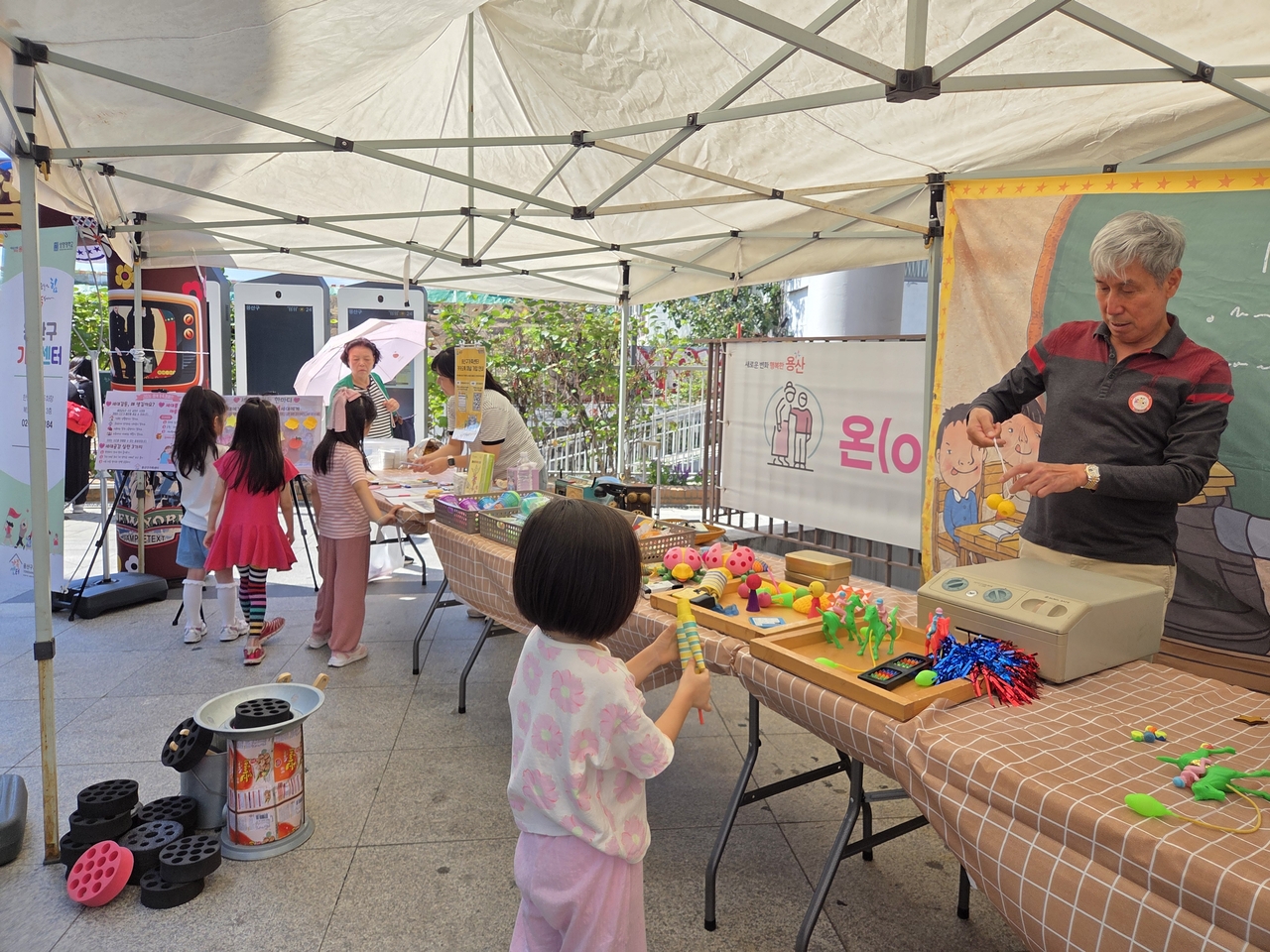
Lee Eun-kyung, head of a local women’s association and a graduate of Hannam Elementary School, prepared jeon, or Korean-style savory pancakes, and other foods residents remembered from childhood.
“We stand at the threshold of a new chapter,” Lee said.
“We wanted those who stayed and those who had moved away to come together once more, share a plate of jeon and leave with one last memory of the neighborhood.”
For people who remember Hannam-dong before it became a byword for wealth, the photographs also document the scale of its transformation.
“The neighborhood has already changed enormously since I was a child, and with nearly 6,000 homes coming in, it is set to change even more,” said Kim Kyu-sik, who was born in Hannam-dong and has lived there his entire life.
“There were many shacks and aging houses when I was growing up. Now Hannam-dong is known simply as an affluent area.”
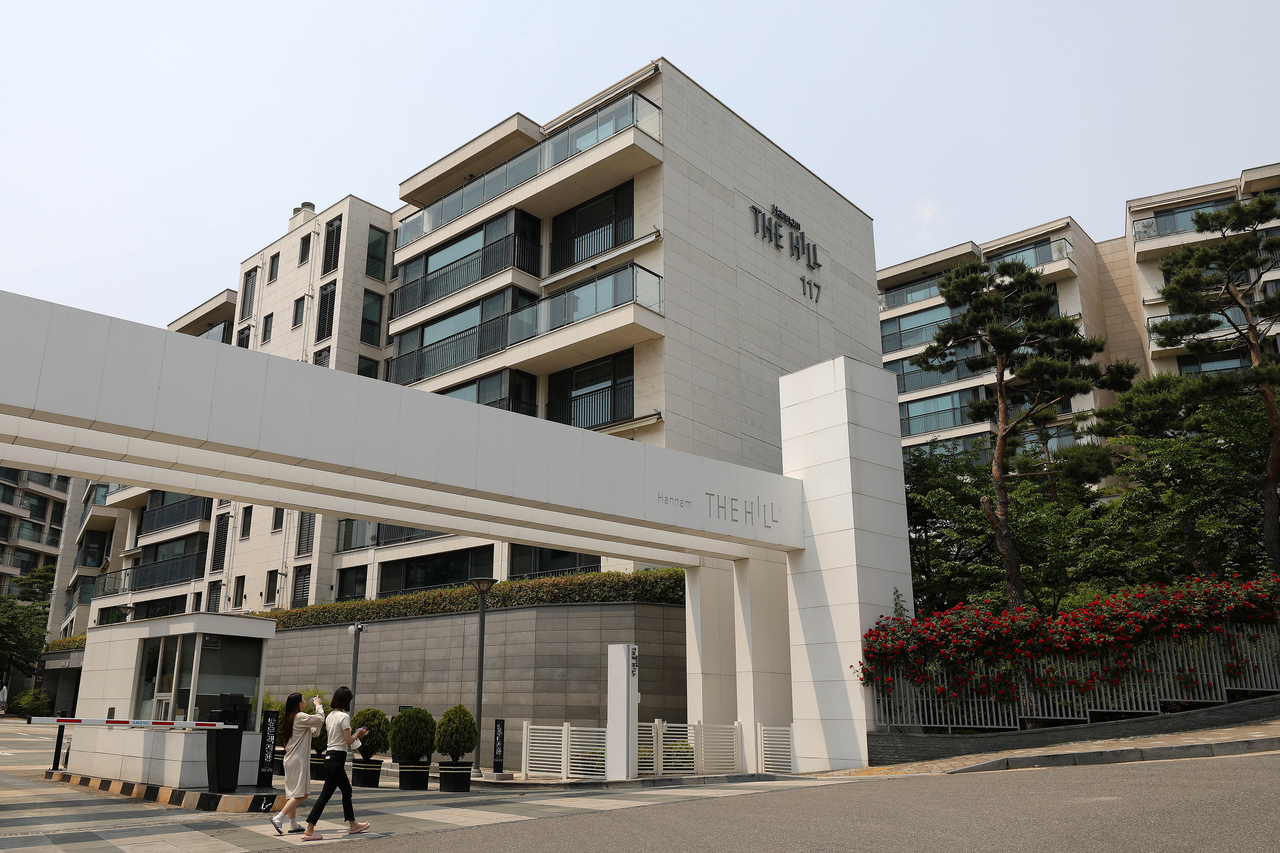
The established luxury enclaves most closely associated with Hannam-dong, including Hannam The Hill, Nine One Hannam and UN Village, lie outside the redevelopment area.
The new project has nevertheless drawn considerable attention in the property market. Some residents and local real estate agents expect larger homes in the complex to eventually be valued at around 7 billion won ($5 million). Of the nearly 6,000 homes planned, about 1,000 will be public rental units.
Hannam District 3 is part of the broader Hannam New Town project, originally divided into five redevelopment zones covering about 1.1 square kilometers across Hannam-dong, Bogwang-dong and nearby neighborhoods.
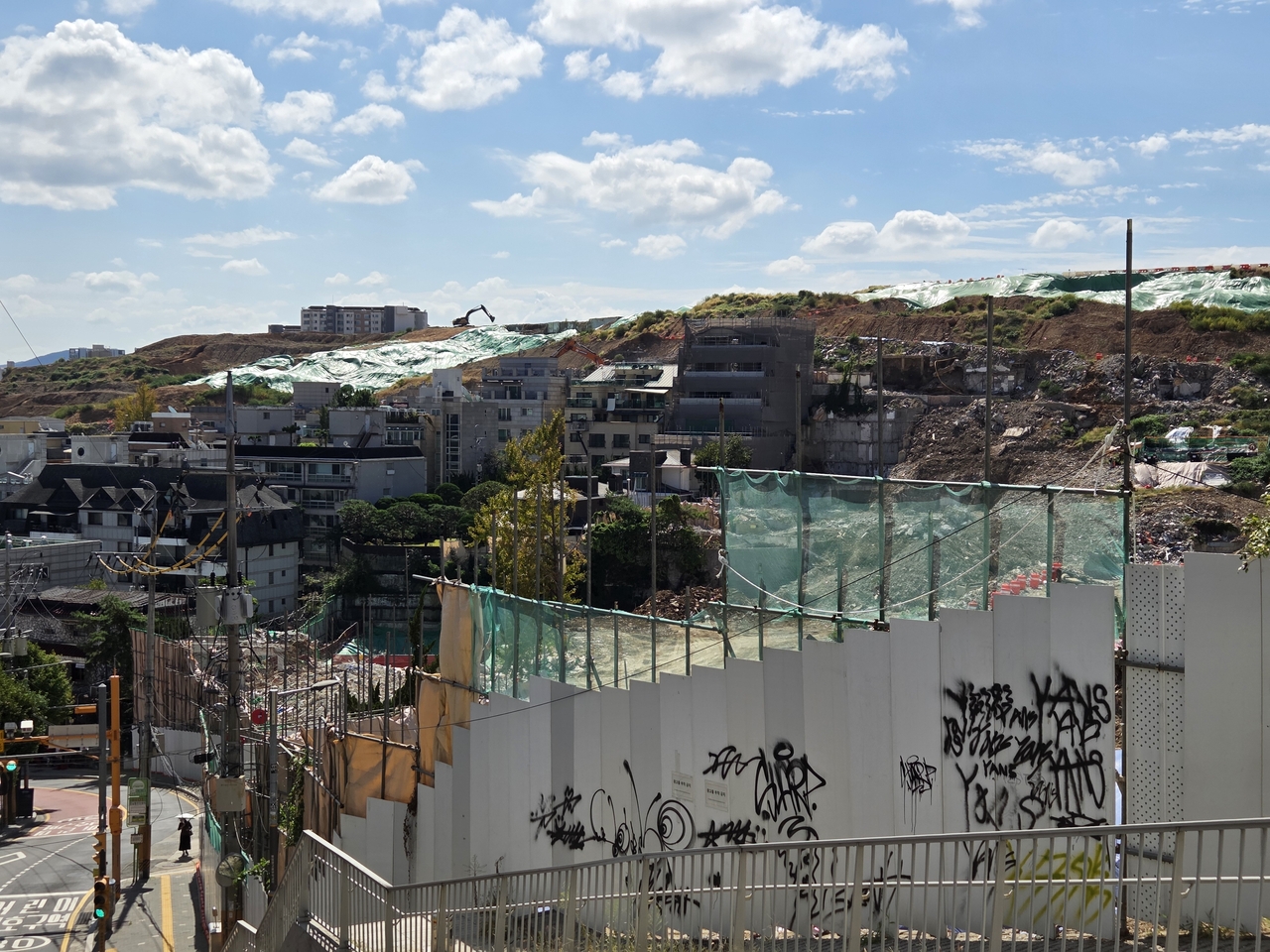
The area was designated as a new town in 2003, but the project was repeatedly delayed by disputes involving the redevelopment association and builders, as well as lengthy approval procedures.
District 3 is expected to be the first to begin construction, while projects in Districts 2, 4 and 5 are proceeding at different stages.
“The Seoul Metropolitan Government, district offices and redevelopment associations will work as one team to swiftly resolve obstacles on the ground,” said Kim Seong-bo, Seoul’s second vice mayor for administrative affairs. “We will closely manage each project through completion to accelerate housing supply across the city.”
For longtime residents, however, the arrival of thousands of new homes will also mark the end of the community captured in the photographs.
“Once the new complex is built, most of the residents will be newcomers,” Kim Kyu-sik said. “With property values having risen so much, many of the original homeowners sold their properties and left.”
yunapark@heraldcorp.com